

The Role of Vegan Options in Achieving Global Sustainability Goals
/Hi, I’m Anna Lees, a vegan and sustainability food consultant. I help hotels, restaurants, and F&B teams design menus and strategies that make sustainability both practical and profitable.
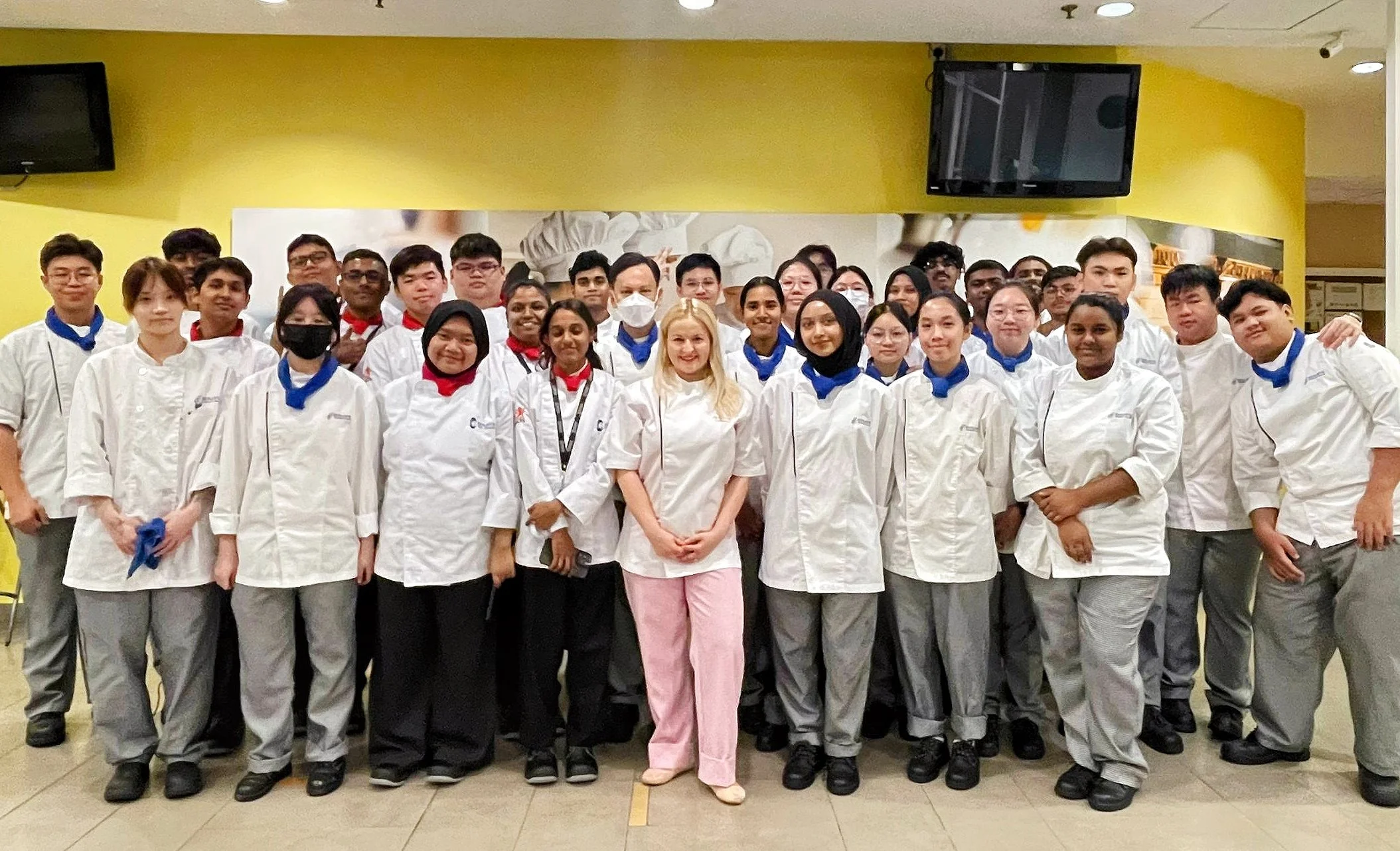
I began my journey after completing the Vegan Hospitality Training, which gave me the foundation to work closely with hospitality brands on integrating plant-based innovation, menu engineering, and staff training. Since then, I’ve delivered workshops and consultations for chefs, hotel groups, and culinary schools across Asia and Europe, from St Regis Kuala Lumpur to Le Cordon Bleu Malaysia, helping them connect sustainability goals with real business results.
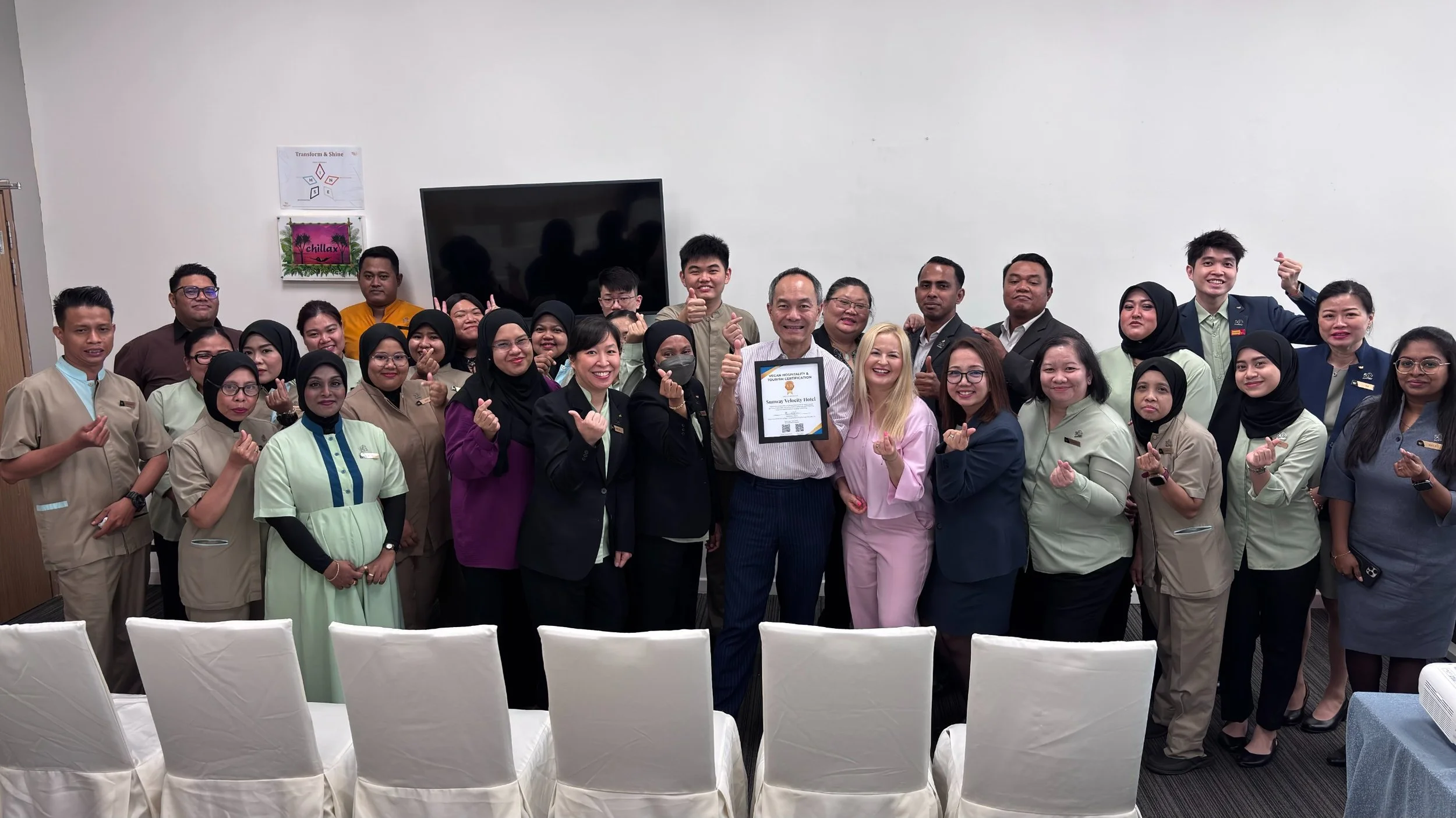
Anna lees training staff at sunway velocity in malaysia, certified by vegan hospitality
Seeing Greenwashing Up Close
One thing I see far too often is greenwashing. Many restaurants call themselves “sustainable” simply because they buy from local suppliers, and while that’s a great start, it’s far from the full picture. Some genuinely believe they’re “ticking the box” by sourcing locally, without understanding that true sustainability requires data, consistency, and accountability.
That’s why in my workshops, I often remind teams:
“Modern sustainability requires a spreadsheet, not just a slogan.”
Just as we measure calories, sugar, or fat in a dish, we can (and should) measure its carbon footprint. Each chef should know roughly which range their dishes fall into: low, moderate, or high CO₂ impact. This awareness transforms decisions around ingredients, preparation methods, and menu design, and it’s where plant-based options truly shine.
Local Doesn’t Always Mean Low Carbon
Local doesn’t automatically mean sustainable. Around 80–90% of food emissions come from production, not transport. A “local” chicken can easily have a higher footprint than chickpeas imported from thousands of kilometres away.
The reason is simple: livestock production demands huge amounts of land, water, and feed, while releasing potent greenhouse gases like methane. Pulses, tofu, and other plant-based proteins require far fewer resources and emit far less CO₂ even after factoring in transport.
So instead of asking “How far did it travel?,”I encourage teams to ask:
“What is it, and how was it produced?”
That’s where plant-based options make all the difference.
Why I Still Champion Local
Even though “local” doesn’t always mean low carbon, I still champion local sourcing when it’s done thoughtfully. Connecting with nearby growers and artisans supports fresher food, stronger communities, and authentic storytelling:
✔️ Menus with character – celebrating seasonality and regional identity
✔️ Freshness & flavour – shorter supply chains = better ingredients
✔️ Guest connection – diners love transparency and traceability
✔️ Community resilience – supporting local farmers and artisans
✔️ Trust – real relationships create long-term reliability
The magic happens when chefs combine local sourcing with plant-based creativity and sustainability becomes both measurable and meaningful.
Connecting Menus to Global Goals
When you put more plants on the plate, your company is contributing directly to the United Nations Sustainable Development Goals (SDGs):
SDG 3: Good Health & Well-being – Plant-based meals reduce saturated fat and boost fibre and nutrients.
SDG 12: Responsible Consumption & Production – Vegan and plant-forward menus use fewer resources and create less waste.
SDG 13: Climate Action – Replacing meat with plants is one of the fastest ways to cut emissions.
SDG 15: Life on Land – Reducing demand for livestock helps protect forests and biodiversity.
From Buzzword to Business Strategy
Too often, sustainability becomes a marketing tagline, just a nice story on the menu. But today’s diners are informed and curious. They expect proof, not promises.
That’s why my Beyond Greenwashing: Sustainability 101 for Hospitality and F&B Marketing workshop goes beyond theory. Participants learn how to:
✅ Calculate and communicate the carbon impact of menus
✅ Identify low-effort, high-impact sustainability improvements
✅ Translate operational data into authentic marketing stories
✅ Build guest trust through transparency and measurable results
When teams start tracking sustainability the same way they track costs and performance, it stops being an abstract concept and becomes part of daily decision-making.
Let’s Turn Intent Into Impact
Sustainability in hospitality is essential. By combining plant-based innovation, credible data, and local partnerships, hotels and restaurants can deliver menus that are delicious, responsible, and future-ready.
If you’d like your team to learn how to communicate sustainability confidently and avoid the greenwashing trap, let’s connect.
You can schedule a virtual workshop or team session with me through Culinova Consulting or contact me via email: anna@culinovaconsulting.com
Let’s turn your sustainability goals into measurable actions and stories worth sharing. 🌱✨
About the author: Anna Lees is a Certified Vegan Hospitality Consultant in Southeast Asia. To join her upcoming workshop, CLICK HERE.
Does your hotel qualify for certification? Find out here.