
Vegan-Friendly & Allergen Safe: Understanding the Differences and Preparing for Guests
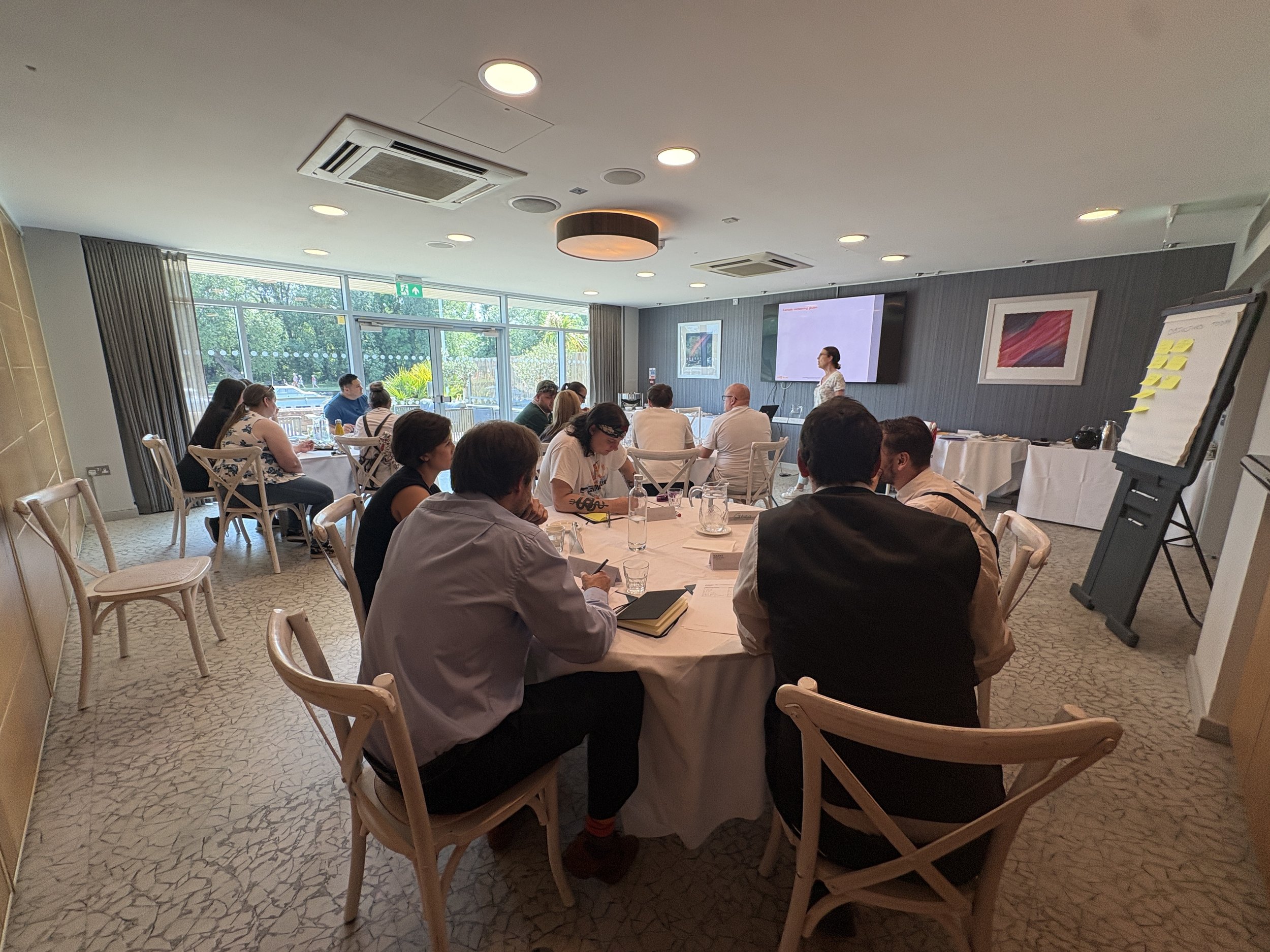
We are proud to share this exclusive interview with Caroline Benjamin, Director of Food Allergy Aware. Based in the UK, Caroline provides award-winning Food Allergy Awareness Training for the Food Service Industry. Our Director of Operations, Hayley Cooper, asked Caroline key questions that will help food service providers, chefs, food and beverage directors, and event planners take allergy safety into consideration.


Many people assume vegan food is automatically safe for those with allergies. How common is this misconception, and what are the risks it creates in hospitality settings?
This is a very common misconception. While vegan food excludes animal products, it does not automatically make it safe for people with food allergies, coeliac disease or Food intolerances. In fact, many vegan products rely heavily on ingredients such as soya, tree nuts, sesame, mustard, and wheat to replace traditional animal-based ingredients.
The risk arises when customers, or even staff, assume that "vegan" means "allergen-free." From the main proteins milk and eggs. Hospitality businesses must ensure that vegan and allergen information are treated as two separate considerations and communicated clearly to customers.
In addition May Contains is allowed by The Vegan Society in the UK, so awareness when purchasing items with the logo is needed. This was highlighted in the tragic case of Celia Marsh purchasing a vegan wrap from Pret and tragically died due to this misunderstanding.
Which allergens do you find are most frequently overlooked in kitchens?
While most kitchens are aware of nuts, milk, and gluten-containing cereals, some allergens are often overlooked.
Sesame remains one of the most underestimated allergens, particularly with the increased use of seeds, oils, and plant-based products. Mustard is another allergen that frequently appears in dressings, marinades, and sauces without staff realising its significance.
Celery can also be hidden within stocks, soups, and seasoning blends, while sulphur dioxide may be present in dried fruits, wines, and pre-prepared ingredients. The challenge is often not the allergen itself but understanding where it can be present unexpectedly.
What does good allergen communication look like from menu design through to the moment a dish reaches the table?
Good allergen communication starts long before a customer places an order, it should start at the menu development and supply chain processes .
Menus should clearly signpost how allergen information can be obtained and encourage customers to speak with staff about dietary requirements. Back-of-house systems should provide accurate, up-to-date allergen information that is easily accessible to front-of-house teams.
Once an allergy is declared, there should be a documented process for recording, communicating, and verifying the information. The kitchen should acknowledge the request, prepare the meal following agreed procedures, and the dish should be identified and checked before service.
The final step is equally important. When the meal reaches the table, staff should confidently identify it as the allergy-specific meal and provide reassurance about the process that has been followed.
Cross-contamination is a major concern for allergy sufferers. What are the most common cross-contamination mistakes you see in kitchens, and how can establishments avoid them?
The most common issues are often linked to routine human behaviours rather than a lack of knowledge.
Examples include:
Using the same utensils for allergen and non-allergen dishes.
Failing to clean and sanitise work surfaces effectively.
Using shared fryers.
Incorrect storage of allergenic ingredients.
Staff touching allergen-containing foods and then handling allergy meals.
Preventing cross-contamination requires practical controls. Clear procedures, designated preparation areas where possible, effective cleaning, careful storage, and staff understanding why these measures matter all play an important role.
The strongest systems are usually those that are simple, practical, and consistently followed.
How should hospitality businesses approach staff training on allergens, and how do you ensure that knowledge sticks beyond the initial induction?
Training should never be viewed as a one-off exercise, but ongoing.
An effective programme starts with induction training but is reinforced through regular refreshers, toolbox talks, team meetings, and practical discussions. Staff need to understand not only what the allergens are, but why procedures exist and the consequences when they are not followed. Giving case study and video examples of where it has gone wrong is key.
One of the most effective approaches is using real-life scenarios and near-miss discussions. This helps teams understand how easily mistakes can happen and encourages a culture of continuous learning. Knowledge is far more likely to stick when allergen management becomes part of everyday conversations rather than an annual training requirement.
From your experience auditing hospitality businesses, what separates establishments that handle allergens well from those that struggle?
The biggest difference is culture.
Businesses that perform well view allergen management as part of their Food Safety Management System with a good food safety culture embedded within the organisation and give an overall guest experience rather than simply a legal obligation.
Senior management are engaged, procedures are embedded into daily operations, and staff feel confident discussing allergens with customers.
Those that struggle often rely heavily on paperwork without ensuring staff understand how to apply procedures in practice. The strongest operations combine clear documentation, effective communication, regular training, and leadership commitment.
The main regulated allergens are well known, but guests increasingly present with intolerances and sensitivities that fall outside that list. How should hotels be thinking about this broader picture?
Hospitality businesses should recognise that guests experience a wide range of food hypersensitivities, not all of which are covered by legislation.
In the UK legal focus remains on the #Top14 regulated allergens, but guests may also need information about ingredients such as garlic, onion, chilli, histamine-rich foods, coconut, kiwi, or other individual triggers.
Hotels should develop systems that allow open conversations with guests and ensure enquiries are taken seriously. While businesses may not always be able to accommodate every request, they should be able to explain ingredients accurately and manage expectations honestly and professionally.
A system with access to full ingredients is required to serve someone safely.
What role does certification play in building trust with food-hypersensitive guests, and what should hospitality businesses look for in a credible certification?
Certification is validation of good systems and offers a competitive advantage to those Food Business Operators who participate.
Certification provides independent reassurance that a business has invested time and effort into developing robust allergen management procedures.
For food-hypersensitive guests, trust is often the deciding factor when choosing where to eat or stay. Certification can demonstrate that training, documentation, communication processes, and operational controls have been independently assessed.
When choosing a certification scheme, businesses should look for one that goes beyond a simple checklist. It should involve evidence-based assessment, staff engagement, operational review, and a commitment to continuous improvement rather than a one-off award.
How do you see the relationship between the growth of plant-based dining and improved allergen safety evolving over the next few years?
The growth of plant-based dining presents both opportunities and challenges.
On one hand, increased awareness of ingredients, dietary requirements, and menu transparency has encouraged businesses to improve communication systems. On the other hand, many plant-based alternatives introduce allergens such as soya, nuts, and sesame into recipes that may previously have been allergen-free.
I believe the future will see greater emphasis on ingredient transparency and digital allergen management tools. As menus become more diverse, accurate information and effective communication will become even more important.
What is the single most important piece of advice you would give to a hotel that wants to create a safe and inclusive experience for food-hypersensitive guests?
Create a culture where food hypersensitivity is everyone's responsibility, management buy in is crucial but so is the involvement of the staff on the ground to ensure the processes are workable.
Procedures, policies, and training are all important, but they only work when every member of the team understands their role in protecting guests. When staff feel confident asking questions, checking information, and following procedures consistently, guests feel safer and more welcome.
Allergen legislation has evolved significantly in recent years. What do you think has been the most impactful change for the hospitality industry, and is there anything you feel still needs to be addressed?
One of the most significant developments has been the increased focus on transparency and accountability throughout the food supply chain. Changes such as Natasha's Law have raised awareness of allergen management and encouraged businesses to take ingredient control more seriously.
However, legislation alone cannot eliminate risk. Greater consistency in allergen training, improved communication standards, and increased reporting of near misses would help the industry continue to learn and improve. There is also an opportunity to better support businesses in managing food hypersensitivity beyond the regulated allergens.
When a guest has a serious allergic reaction at a hospitality venue, what should happen next and, in your experience, are businesses prepared enough for that scenario?
The immediate priority is the guest's safety. Staff should follow their emergency procedures, call emergency services, and support the individual in using their prescribed medication if required. Clear communication with emergency responders is essential.
Following the incident, the business should conduct a thorough investigation to understand what happened, identify any failures in the process, and implement corrective actions, updating the documentation and training staff on the changes. Near misses and incidents should be viewed as learning opportunities to strengthen systems and prevent recurrence.
In my experience, many businesses have procedures written down, but not all staff feel confident responding to a real-life emergency. Regular practice, scenario-based training, and clear emergency plans can make a significant difference when every second counts.
Thank you Caroline, for this wonderful interview! To contact Caroline, reach out to Food Allergy Aware.