
Why India Could Be the Next Global Success Story in Vegan-Friendly Hospitality
Founded in 2025, Luma Institute set out to solve a gap that much of the plant-based ecosystem in India had overlooked: entrepreneurs, scientists, and policymakers were building the future of food, but the chefs and hospitality professionals who decide what actually shows up on a guest's plate were left out of the conversation. Luma stepped in to close that gap, bringing plant-based education directly into hospitality training across India and the wider Global South.
We spoke with Narhari Gupta, Program Director of the Luma Institute about what it takes to shift an industry with deep-rooted culinary and dairy traditions, how they've built cross-sector collaborations that bring chefs, scientists, and policymakers to the same table, and why they believe India is positioned to become the next global success story in plant-based hospitality.
Q: Can you tell us about the Luma Institute? How did it start, and what inspired the founding team to focus on this work?
A: Luma Institute was founded in 2025 with a clear mission: to become the ecosystem enabler for plant-based food systems within mainstream hospitality across India and the Global South.
As our team looked at the evolving food landscape, we saw entrepreneurs developing novel proteins, scientists creating next-generation ingredients, policymakers shaping future regulations, and supply-chain innovators making these products more accessible. Yet one critical stakeholder was consistently being overlooked, the chefs and hospitality professionals who ultimately decide what reaches the consumer's plate.
We realised that without equipping hospitality professionals with the knowledge and skills to work with plant-based foods, even the most innovative products would struggle to achieve mainstream adoption. We created Luma Institute to bridge that gap by connecting the plant-based ecosystem with the hospitality industry through education, training, and collaboration.
Q: For readers who may not be familiar with the landscape there, what does the hospitality and food service industry look like in India right now when it comes to plant-based and vegan offerings?
A: India's hospitality industry is at an interesting crossroads. While consumer awareness of plant-based eating is growing, hospitality education and professional training have not kept pace with global developments.
Many culinary institutions still follow curricula that were designed decades ago. As a result, graduating chefs often receive little or no formal education in plant-based cuisine, allergen management, dietary inclusion, or climate-conscious menu development, areas that are increasingly expected by international travellers.
Countries in the Global South such as Thailand, Vietnam, and Indonesia have adapted remarkably quickly. Plant-based dishes are widely available, allergen labelling has become standard practice, and menus increasingly reflect the diverse dietary needs of global visitors.
India, despite its extraordinary culinary heritage, risks falling behind if hospitality professionals are not equipped with the same knowledge. We also find that many chefs still confuse vegan cuisine with concepts such as vegetarian, Jain, organic, or whole foods. While these approaches may overlap in certain ways, they are fundamentally different. A significant part of our work is simply building this foundational understanding so hospitality professionals can confidently serve guests with diverse dietary preferences.
Q: What are some of the unique cultural or regional dynamics in India that shape how you approach vegan hospitality; for example, the existing traditions of vegetarianism?
A: India presents both unique opportunities and unique challenges. One advantage is that a large proportion of the population experiences lactose intolerance, creating a natural opportunity for dairy alternatives. However, awareness remains relatively low, and many people do not associate digestive discomfort or related symptoms with dairy consumption. Expanding awareness, alongside developing affordable products for the mass market, will be essential to driving broader adoption.
India also has a long tradition of vegetarian eating, but this is often misunderstood internationally. Many households consume predominantly plant-based meals during the week while including meat only occasionally. At the same time, rising incomes and changing lifestyles have led to increasing meat consumption, particularly in restaurants, where meat is often perceived as aspirational.
Another important factor is India's dairy culture. Following Operation Flood also known as the White Revolution in the 1970s, dairy became deeply embedded in everyday life through large-scale production, marketing, and government support. Milk and dairy products came to be associated with nutrition, celebration, religion, and daily meals. This historical context helps explain why conversations around plant-based alternatives in India are often more complex than simply replacing meat.
Understanding these cultural dynamics allows us to design programs that are practical, culturally relevant, and focused on long-term food system change rather than ideology.
Q: What have been the biggest challenges you've faced as an organization, and how have you worked through them?
A: One of our biggest challenges is that this work is still relatively new. There is no established playbook for bringing together mainstream hospitality and the plant-based movement in India, so much of our work involves experimentation, learning, and continuous refinement.
We've also realised that language matters. Rather than framing our work solely through vegan advocacy, we communicate in terms that resonate with hospitality professionals, business growth, guest satisfaction, sustainability, innovation, and inclusive dining.
Finding talent has also been challenging. Very few professionals have expertise in both hospitality and plant-based food systems, so we've focused on inspiring chefs and hospitality professionals to become champions of the plant-based movement.
Q: Are there any strategies or best practices you've developed that organizations in other parts of the world could learn from?
A: One lesson we've learned is the importance of documenting and sharing our work through video. Recording training sessions, chef discussions, interviews, and testimonials, and repurposing them into short-form content, has allowed us to reach audiences far beyond those who attend our events. Another successful strategy has been creating cross-sector collaborations. We regularly bring chefs together with scientists, doctors, food technologists, policymakers, entrepreneurs, and animal welfare organisations. These interactions broaden perspectives and help hospitality professionals see how their work connects to the wider food system.
Q: Can you share a success story from a venue, partnership, or project that you're especially proud of?
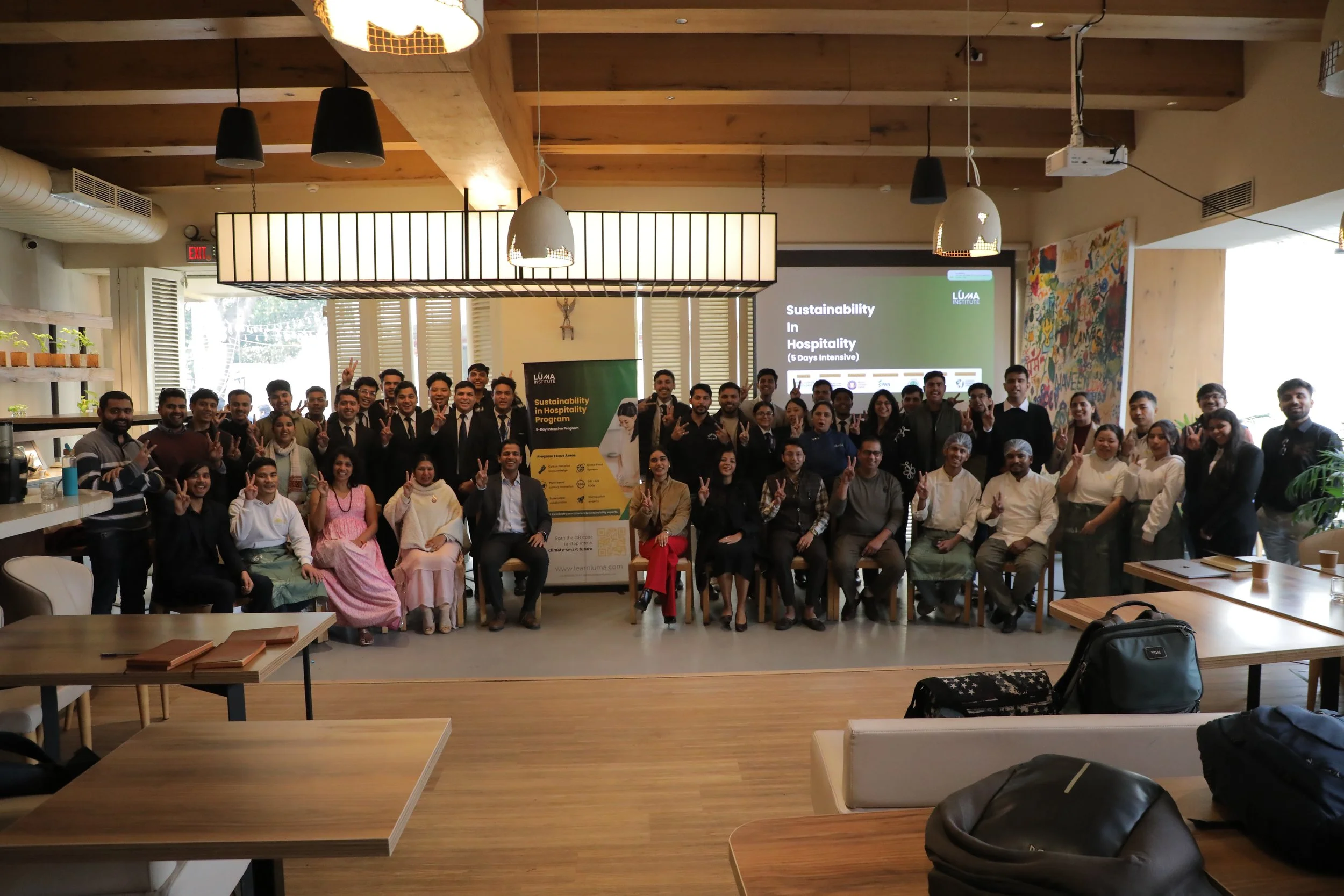
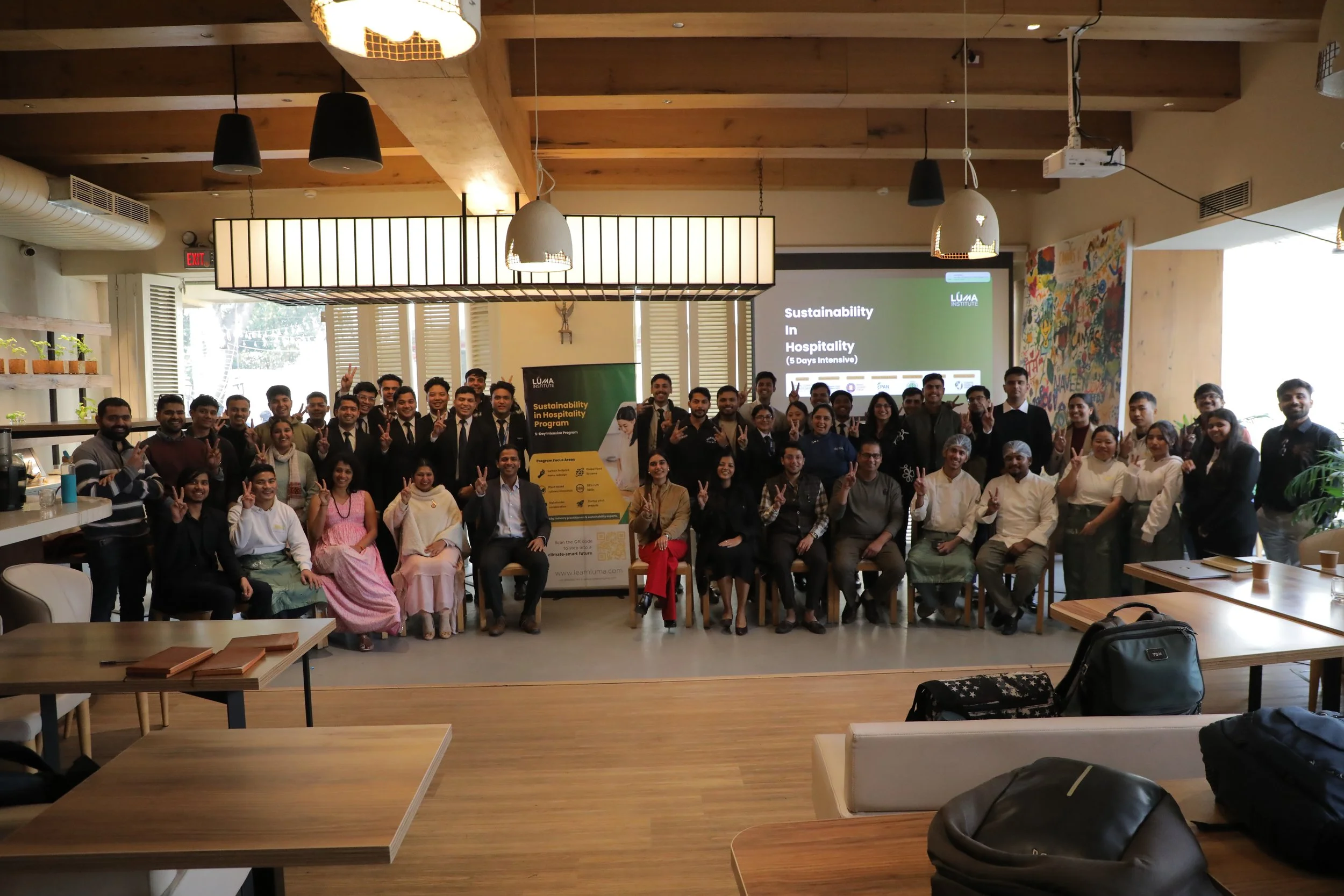
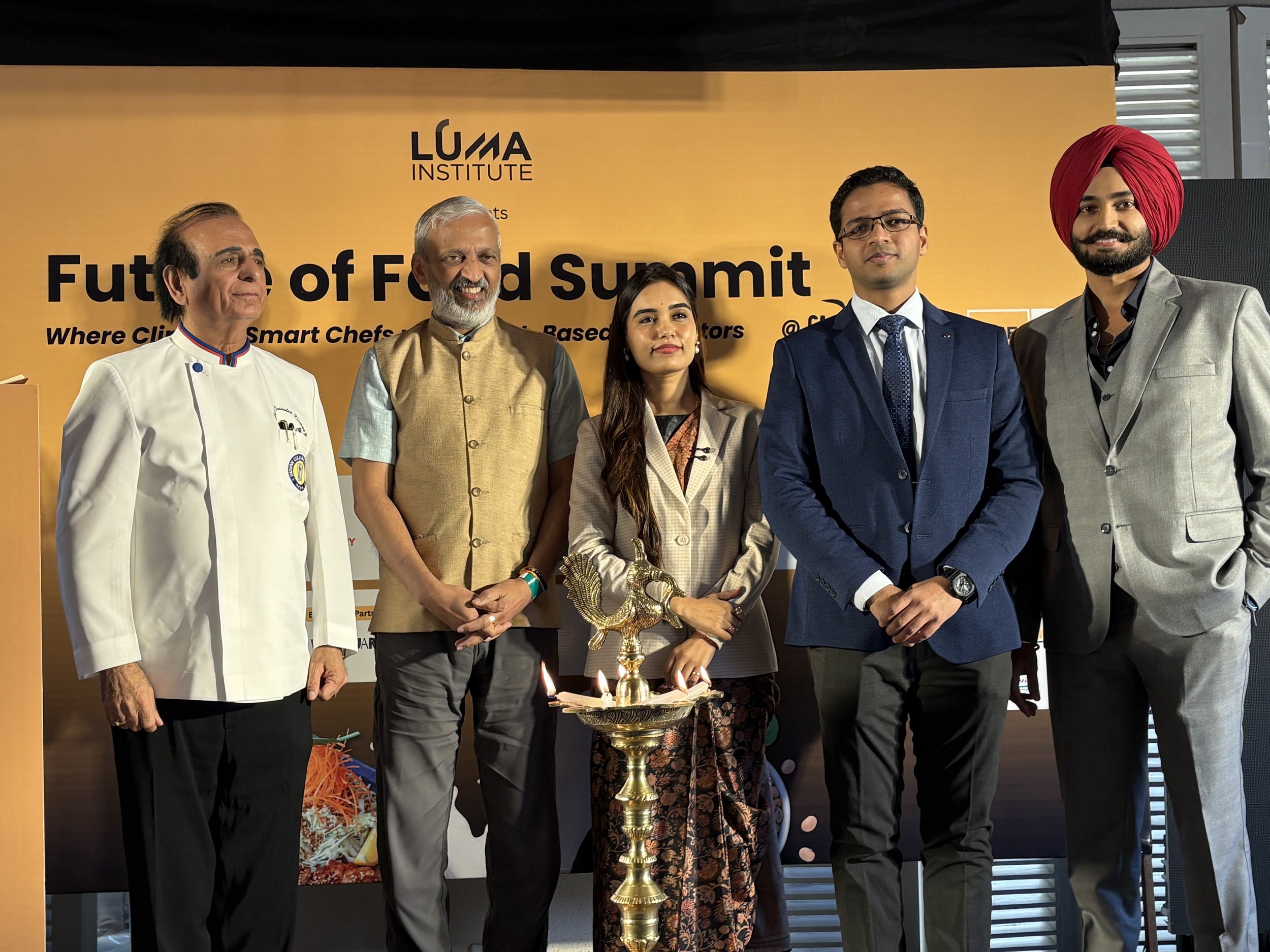
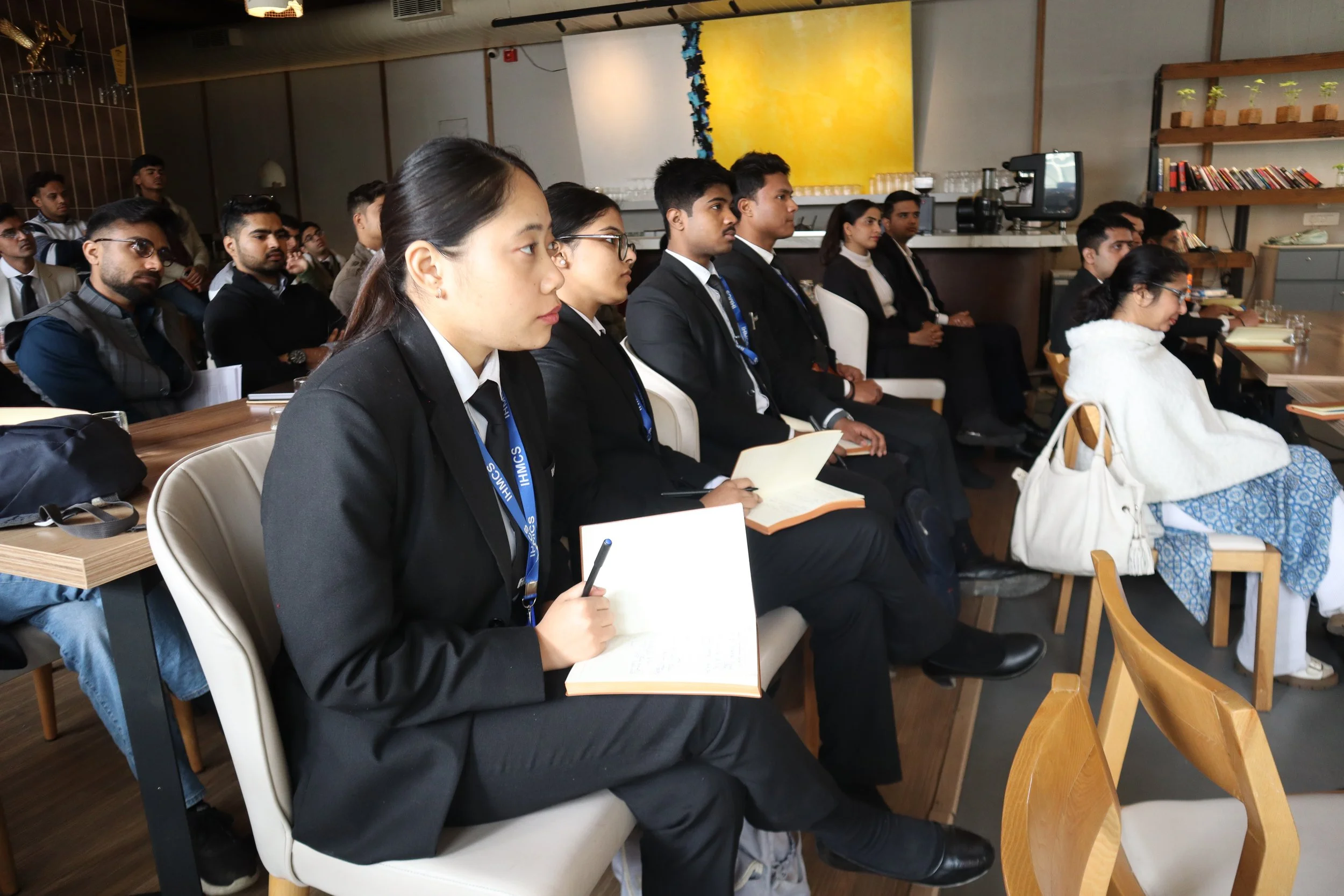
A: One of our proudest achievements has been our flagship Future of Food Summit and Innovative Plant-Based Expo. The event brought together more than 100 executive chefs from leading hotels and restaurant groups across India, alongside over 15 plant-based food companies showcasing products ranging from plant-based meats and cheeses to gelato, soft serve, tempeh, and dairy alternatives. The summit combined culinary demonstrations with scientific discussions, policy conversations, healthcare perspectives, and even artistic performances centred around compassion and sustainability. It served as the culmination of our five-day intensive Sustainability in Hospitality programme and demonstrated that plant-based hospitality is not simply about food, it is about building an entire ecosystem.
Q: How do you approach training and educating hospitality businesses that may be hesitant or unfamiliar with vegan hospitality standards?
A: We rarely begin by talking only about veganism. Instead, we frame our training around globally recognised hospitality priorities such as allergen management, inclusive dining, sustainability, menu innovation, carbon reduction, and business growth. Vegan hospitality naturally fits within these broader themes. This approach helps hospitality businesses see plant-based offerings not as a niche trend, but as an opportunity to improve guest experience, future-proof their operations, and remain competitive in an evolving global market.
Q: At Vegan Hospitality, we believe collaboration between organizations doing this work globally is essential. Why do you think it's important for groups like ours to connect, share knowledge, and support one another?
A: Every organisation working in this space develops valuable insights that can benefit others. For example, through Vegan Hospitality we recently learned about the VETO Vote and its relevance when engaging hotels on the importance of offering vegan options. That kind of knowledge exchange accelerates progress for everyone. A great example of this collaborative spirit is the Plant Based Foods Global Alliance, where organisations from different countries regularly share experiences, resources, and best practices. Food system transformation is far too complex for any one organisation to solve alone.
Q: What role do you see India playing in the global shift toward more vegan-friendly travel and hospitality?
A: India has enormous potential to become a global leader in vegan-friendly hospitality. With nearly one-fifth of the world's population, improvements in India's hospitality sector can influence millions of consumers while making the country a more welcoming destination for international travellers seeking reliable plant-based dining options. Hospitality also plays a unique role in shaping food culture. When chefs introduce high-quality plant-based experiences, they influence what people choose not only while travelling, but also in their everyday lives. As demand grows, Indian hospitality has the opportunity to inspire similar developments internationally, just as Indian vegetarian cuisine has become recognised around the world. We believe plant-based Indian hospitality could become the next global success story.
Q: What's next for the Luma Institute and how can people support or get involved with your work?
A: Collaboration is at the heart of everything we do. We welcome partnerships with organisations, businesses, educational institutions, and individuals who share our vision of building a more sustainable and inclusive food system. If you work within hospitality or the broader food ecosystem, we'd love to explore opportunities to collaborate. Restaurants and hotels can participate in our Allergen Friendly & Inclusive Menu (AFIM) Programme, which helps businesses improve accessibility and better serve guests with diverse dietary needs. We also encourage travellers to share their experiences with vegan-friendly hospitality and tag Luma Institute on social media. Every story helps raise awareness and inspires more businesses to create inclusive dining experiences.
Thank you for this interview, Narhari! Click here to connect with Narhari Gupta on LinkedIn.
Luma Institute's work is a reminder that food system change rarely comes from a single push. It comes from patient translation, taking what scientists, entrepreneurs, and policymakers are building and making it legible to the people who run the kitchens and manage the guest experience.
Their approach mirrors something we've long believed at Vegan Hospitality: the strongest case for plant-forward dining is a business case, built on guest satisfaction, inclusion, and market competitiveness. As Luma continues to grow its Allergen Friendly & Inclusive Menu Programme and expand its cross-sector summits, we're glad to count them among the partners pushing this work forward globally.
If you're a hotel, restaurant, or hospitality organization interested in connecting with Luma Institute, or in joining the growing network of groups doing this work worldwide, reach out. Collaboration, as this interview makes clear, is how food systems change. To learn more about the Luma Foundation, visit their website.